


By Tonny Nyandoro (The African Digest, Zimbabwe)
Zimbabwe’s re-engagement drive is gathering pace, underpinned by a dynamic foreign policy thrust and rising international recognition of the country’s vast tourism potential. From high-level diplomatic engagements to global tourism accolades, the country is steadily consolidating its position as a competitive player on the international stage.
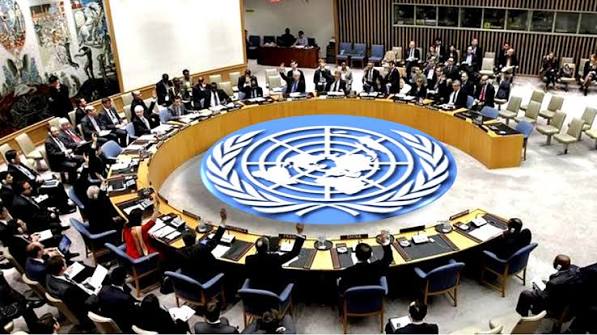
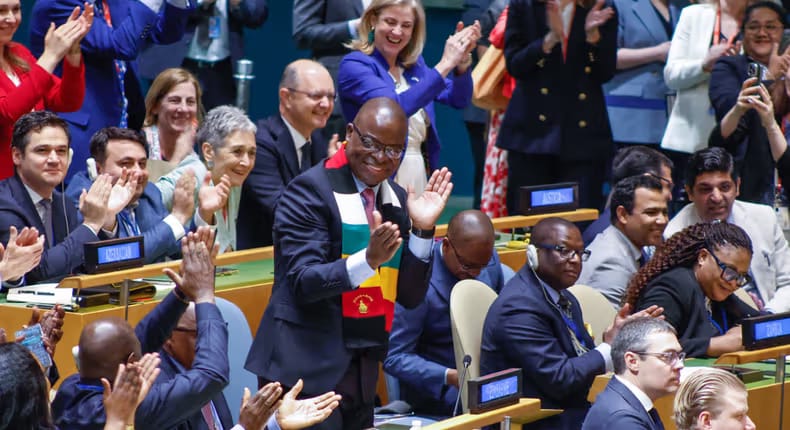
At the heart of this momentum is Zimbabwe’s successful election to a non-permanent seat on the United Nations Security Council, a development that reflects Harare’s growing confidence in contributing to global peace and security. The achievement underscores the country’s renewed commitment to multilateralism and constructive international engagement, anchored in Zimbabwe’s long-standing principles of sovereignty, cooperation and shared development.
Complementing this global outreach are strengthened regional and continental partnerships. Zimbabwe and Zambia have deepened bilateral relations through the signing of a Bi-National Commission, a strategic platform designed to enhance cooperation across sectors including trade, infrastructure and energy. This milestone underscores the enduring ties between the two neighbours and their shared vision for inclusive growth.
In a significant step towards enhancing bilateral ties, Zimbabwe and Equatorial Guinea signed agreements establishing the Joint Permanent Commission on Cooperation (JPCC) and the Bi-National Commission (BNC), reaffirming their commitment to expanding cooperation and fostering closer relations between the two African countries.
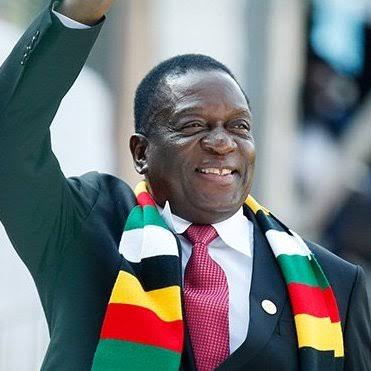
Further afield, President Dr Emmerson Dambudzo Mnangagwa recently undertook a State Visit to Ghana, where Zimbabwe and Ghana formalized relations through the signing of a Permanent Joint Commission on Cooperation. The agreement paves the way for expanded collaboration in areas such as education, agriculture and investment, reinforcing South-South cooperation and African solidarity.
Zimbabwe’s regional leadership credentials are also set to be amplified through the hosting of the COMESA Summit in October 2026, where the country will assume chairmanship of the Common Market for Eastern and Southern Africa. This development positions Zimbabwe at the helm of one of Africa’s largest economic blocs, offering an opportunity to influence regional integration, trade facilitation and industrialization initiatives.
Parallel to these diplomatic strides is Zimbabwe’s growing acclaim as a world-class tourism destination. In 2025, Forbes Magazine ranked Zimbabwe as the number one must-visit country globally, citing its breath-taking natural landscapes, rich cultural heritage and premium travel experiences. The recognition spotlighted the country’s ability to offer authentic and immersive tourism anchored in both nature and history.
Among the standout attractions is the awe-inspiring Victoria Falls, whose thundering waters continue to captivate visitors from across the world. Equally compelling is Hwange National Park, renowned for its exceptional wildlife encounters and one of the largest elephant populations in Africa. These experiences are complemented by the serene beauty of the Eastern Highlands and the historical significance of Great Zimbabwe, which together present a diverse and enriching travel offering.
Building on this momentum, Zimbabwe’s tourism appeal received further validation in 2026 when it was named Destination of the Year – Natural Wonders at the PATWA International Travel Awards, held during ITB Berlin in Berlin. The accolade recognises the country’s pristine ecosystems and its commitment to conservation, with nearly 30 percent of its land under protection. This strong environmental stewardship has positioned Zimbabwe as a leading destination for safari-led tourism that is both sustainable and community-oriented.
The international endorsements also reflect growing confidence in Zimbabwe as a safe and high-value destination. Increased accessibility to key cities such as Harare and Bulawayo is enhancing the visitor experience, while local tourism operators continue to curate authentic African adventures that resonate with global travellers. As these gains converge, Zimbabwe stands at a pivotal moment where diplomacy and tourism are mutually reinforcing pillars of national development. The country’s proactive engagement with the world, coupled with its unmatched natural and cultural assets, is not only strengthening its global image but also unlocking new opportunities for economic growth, investment and job creation.
With sustained focus and strategic coordination, Zimbabwe is well on course to translate international goodwill into lasting national prosperity, firmly positioning itself as both a trusted global partner and a destination of choice.