

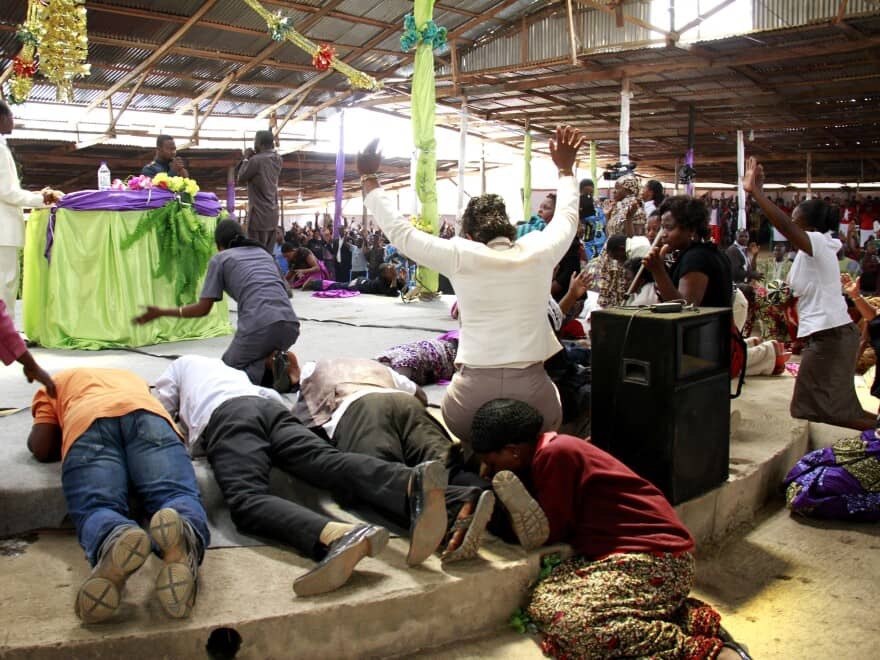
For many worshippers across Cameroon, small revival churches have become places of hope, prayer and community. But after the death of an 11-year-old girl linked of the congregations in the capital, Yaoundé, those same churches are facing renewed scrutiny as the government moves to shut down hundreds of them.
Authorities say they plan to close up to 1,400 revival churches accused of operating outside the law, following concertation in early July between Minister of Territorial Administration Paul Atanga Nji and leaders of the Evangelical Church “Vie et Paix au Cameroun.”
The case that triggered the latest action has shocked many residents of Yaoundé’s Nkolndongo neighbourhood, where the girl’s death was allegedly linked to a member of the church. The incident has intensified public concerns over some religious groups and the need for stronger oversight.
Atanga Nji ordered a nationwide review of revival churches, requiring religious leaders to submit lists of church representatives within 14 days, improve pastor training and work more closely with administrative authorities.
For the government, the measures are aimed at tackling unregistered places of worship and addressing complaints ranging from excessive noise to alleged financial exploitation of worshippers and harmful practices.
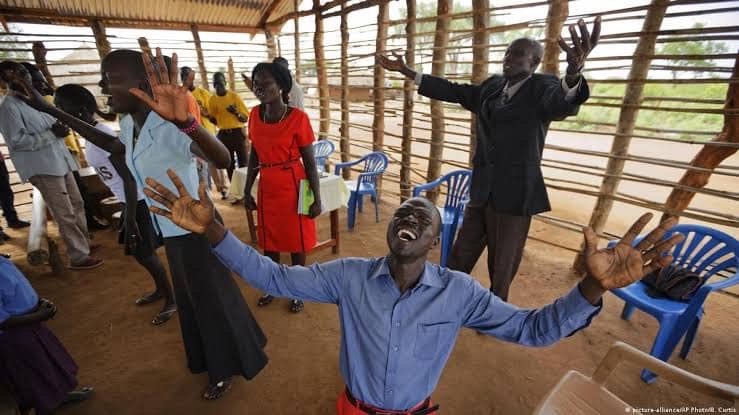
But for many Cameroonians who attend these churches, the debate is more complex. Across the country’s towns and cities, revival churches have grown into important social spaces, offering spiritual support and assistance to people facing unemployment, poverty and personal struggles.
The latest crackdown has also revived questions about whether previous government actions achieved lasting results. In 2025, authorities closed 188 churches in Yaoundé IV after identifying hundreds of places of worship operating without proper authorization. Similar operations were later carried out in other parts of the capital.
However, there is little public information on what happened afterward: how many churches stayed closed, how many obtained official approval or how many resumed activities under different names.
Religious groups in Cameroon are required to obtain government authorization before operating. Yet informal churches continue to expand, particularly in urban communities where many residents turn to them for spiritual guidance and a sense of belonging.
Supporters of stricter regulation say authorities must protect citizens from abuse. Critics argue that closures alone will not solve the problem unless the government strengthens monitoring and enforcement after the initial announcements.
The government’s latest operation will test whether Cameroon can move beyond temporary crackdowns and establish lasting oversight of its fast-growing religious landscape.
By Ntaryike Divine Jr