



By Kelemework Rose (The African Digest, Ethiopia)
In Ethiopia, the path to peace following civil conflict hinges on the critical step of dialogue. The recent civil war has exposed deep-seated ethnic tensions and historical grievances that require open communication to address. Engaging in dialogue is essential for fostering understanding among diverse communities and rebuilding trust, but this process is fraught with challenges.
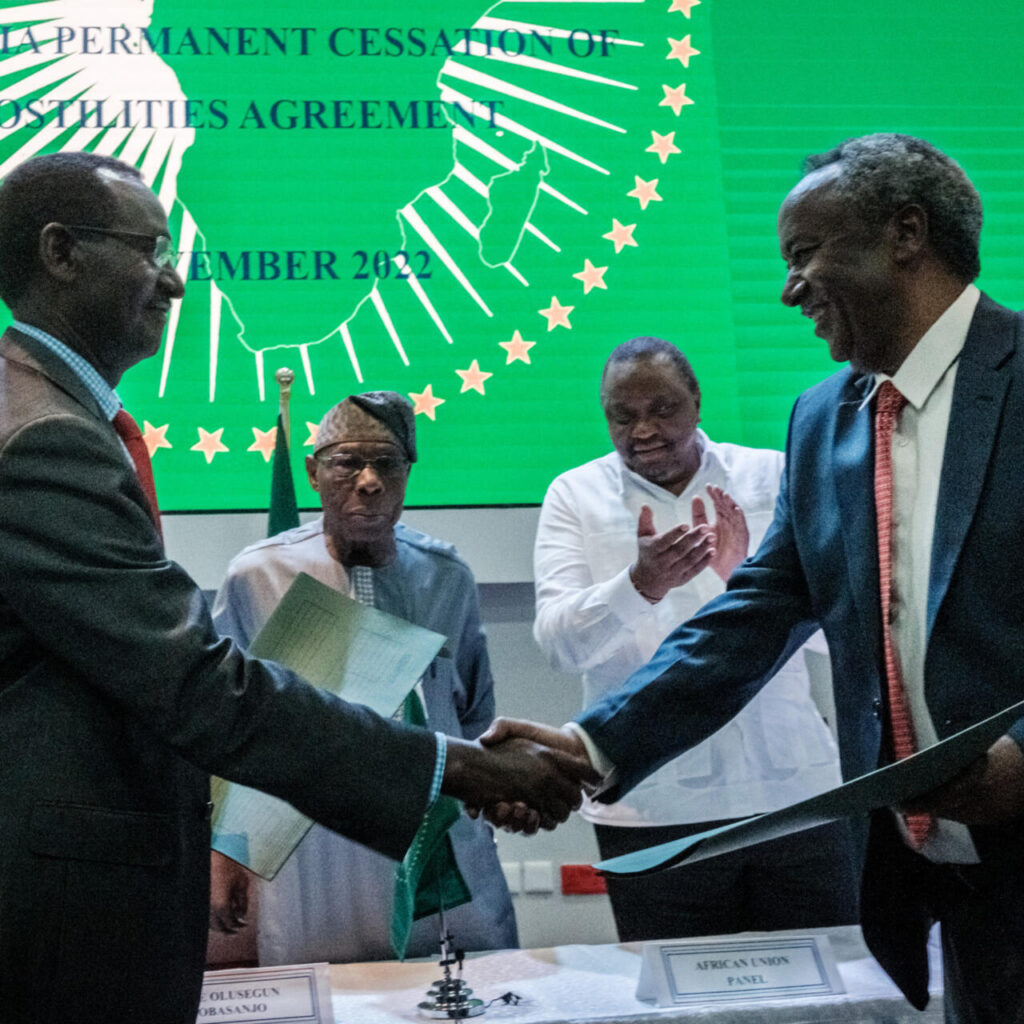
Ethiopia’s future depends on the commitment of all stakeholders to prioritize dialogue over violence. This requires courage to confront uncomfortable truths and a willingness to listen to each other’s narratives. Inclusive dialogue that encompasses marginalized voices is vital, ensuring that peace efforts are representative and sustainable. However, navigating the complexities of Ethiopian society is no easy task; entrenched positions and mistrust can hinder progress.
Despite these challenges, embracing dialogue as a primary tool for conflict resolution offers a pathway to healing and reconciliation. It demands patience, empathy, and often the involvement of neutral third parties to facilitate discussions. The success of these initiatives could pave the way for political solutions and social cohesion. As Ethiopia looks to the future, prioritizing dialogue may be the key to preventing further violence and fostering enduring peace in a nation rich in diversity yet marked by division.
Ethiopia is currently experiencing severe internal conflict and regional instability. While the major war in the northern Tigray region formally ended, fighting has spread to other areas, and chronic political and ethnic fractures are severely threatening the stability of the country.
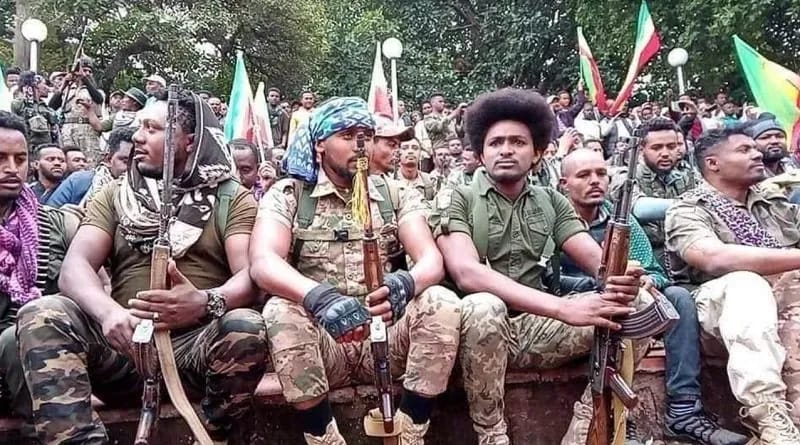
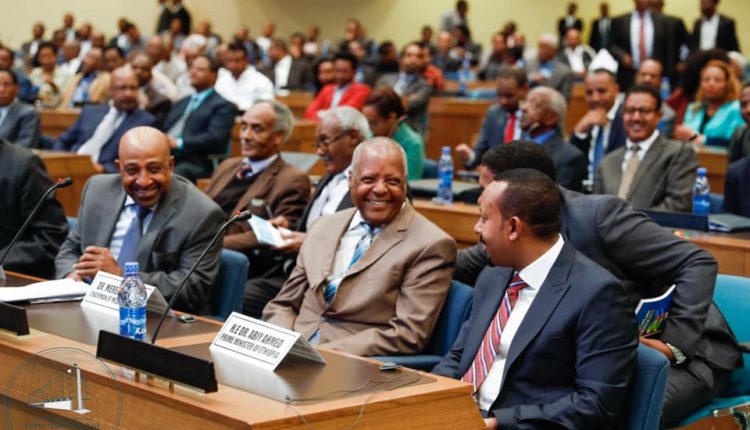
Prime Minister Abiy Ahmed’s administration is battling armed groups (Regional Armed Insurgents) across multiple states. The Amhara Fano movement and the Oromo Liberation Army (OLA) are engaged in ongoing fighting with federal forces, causing displacement and insecurity. Despite the 2022 peace accord, tensions remain extremely high in the Tigray Region as localized forced conscription and political unrest have surfaced, threatening to unravel previous peace agreements.
Ethiopia’s capital, Addis Ababa, and various rural areas face broader security concerns. Furthermore, there have been recent reports of deepening unrest and violence related to ethnic and religious tensions in the Oromia region.
Ethiopia is also facing strained relations with neighboring countries, including Eritrea, Sudan, and Somalia, as well as an ongoing humanitarian crisis with tens of thousands of migrants displaced or stranded in difficult conditions abroad.
An Election Without Peace: Ethiopia’s Chronic Legitimacy Crisis
As the ballots are counted in Ethiopia’s 2026 general elections, government officials present the vote as evidence that the country has turned a corner. More than 50 million voters have reportedly registered, the war that devastated Tigray has formally ended, and international attention is increasingly focused on economic recovery rather than political conflict. From a distance, Ethiopia may therefore appear to be moving beyond the crises that have dominated its politics for much of the last decade.
Yet this impression is misleading. As in the past, the government moved to hold elections before resolving many of the conflicts that have driven instability and undermined national cohesion. Elections can allocate power, but they cannot create the political settlement necessary to hold together a deeply divided society.
Additional Sources: Democracy in Africa