


By Dr. Mohamed Rifaie – Founder, NileED / Educational Consultant & International School Director
For decades, international education has chased a ghost: the “one-size-fits-all” model. We see it in legacy systems worldwide; particularly in national curricula heavily influenced by historic, book-bound British models. These frameworks are fundamentally vertical. They prioritize an intensive induction of raw information, leaving little to no room for practical skill application.
When a curriculum operates purely on this vertical axis of knowledge, holistic education collapses. Character growth, critical thinking, and real-world competence cannot be memorized; they must be lived. Without a robust horizontal axis of skills and application, the system becomes ineffective, and true learning becomes virtually impossible.
The ideal, rigorous curriculum is a balanced one: visually represented as a perfect 45-degree sloped line right between knowledge (Y-axis) and skills (X-axis).
The Reality on the Ground: The “Scatter Plot” of Learning
While the 45-degree line represents curriculum perfection, expecting teachers and students to naturally align to it is a significant thinking error.
In a real classroom, human variables take over. The standards, backgrounds, and capabilities of both learners and educators are scattered across the graph. They exist all over the space between the axes. Bridging this gap between the ideal line and the messy reality of the classroom is where standard management often fails; and where intentional quality control must step in.
The IB as a Quality Control Module, Not a Curriculum
This is precisely why the International Baccalaureate (IB) framework succeeds where traditional systems falter. A common misconception is that the IB is simply a curriculum or a rigid system. In reality, it is a sophisticated quality control module.
The power of the IB lies in its deeply embedded inclusion policies. It acts as an institutional magnet, pulling diverse educators and unique learners closer to that ideal 45-degree slope. By rejecting the failed formulas of assembly-line schooling, it facilitates genuinely personalized education. It recognizes that to educate the whole child, we must meet them exactly where they sit on the educational graph.
Digging Deeper: The Psychological and Safeguarding Foundation
Achieving this holistic, balanced model requires far more than updating pedagogical techniques or conducting standard professional development workshops. It demands a deep dive into the psychological ecosystem of the school.
True inclusion and personalization cannot occur in an environment where a child does not feel profoundly safe. Therefore, the journey toward a balanced, rigorous education inevitably intersects with institutional culture. It requires the establishment of a highly proficient Designated Safeguarding Lead (DSL) team and robust, proactive safeguarding policies.
The Core Truth: You cannot optimize a student’s cognitive placement on the educational graph if their emotional and physical safety is compromised.
When safeguarding policies are treated as the strategic foundation of a school, inclusion policies become effective. Only then can teachers teach, learners grow, and the school community move closer to that balanced 45-degree line of excellence.
About the Author
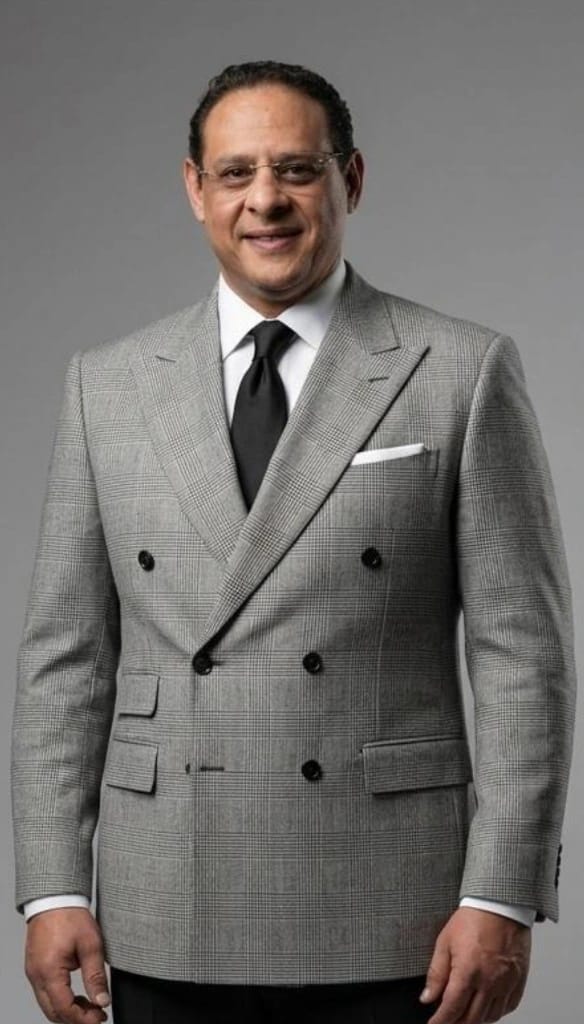
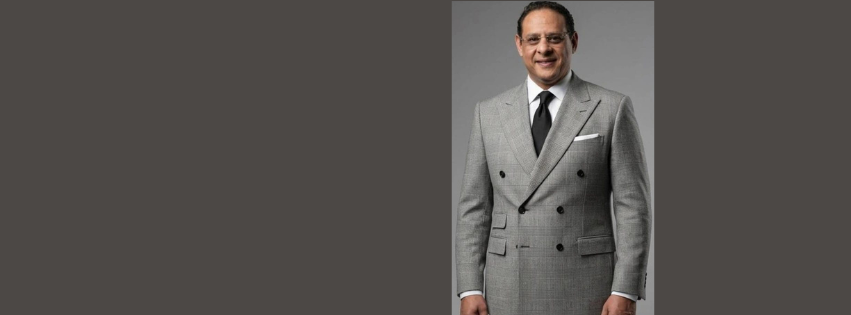
The Author, Dr. Mohamed Rifaie is a renowned Educational Consultant with proven experience in revolutionizing learning and Education across the African Continent and Globally.
Dr. Rifaie is also the Founder of NileED. He brings to bear decades of experience in Educational Leadership, Curriculum Development and cross-functional Team leadership.
Dr. Mohamed Rifaie’s core mission is to empower educators and stakeholders to collaboratively shape transformative educational practices.
Stay tuned for more insightful articles from one of Africa’s astute experts in Educational Leadership.