





By Dr. Daniel Kontie – Executive Chairman, African Continental Engineering and Construction Network ACECNL
In emerging real estate markets across Africa—especially rapidly urbanizing countries like Ghana, Kenya, Rwanda, and Côte d’Ivoire—developers and investors constantly face one critical strategic question: Should I bank land or develop property? The answer is not universal. The best strategy depends on market maturity, regulatory certainty, macroeconomic stability, and demand-supply dynamics.
As real estate continues to serve as a hedge against inflation and currency volatility, investors are becoming more sophisticated. They are analyzing timelines, capital exposure, risk appetite, and the trajectory of urban growth before deciding whether to accumulate land or build.
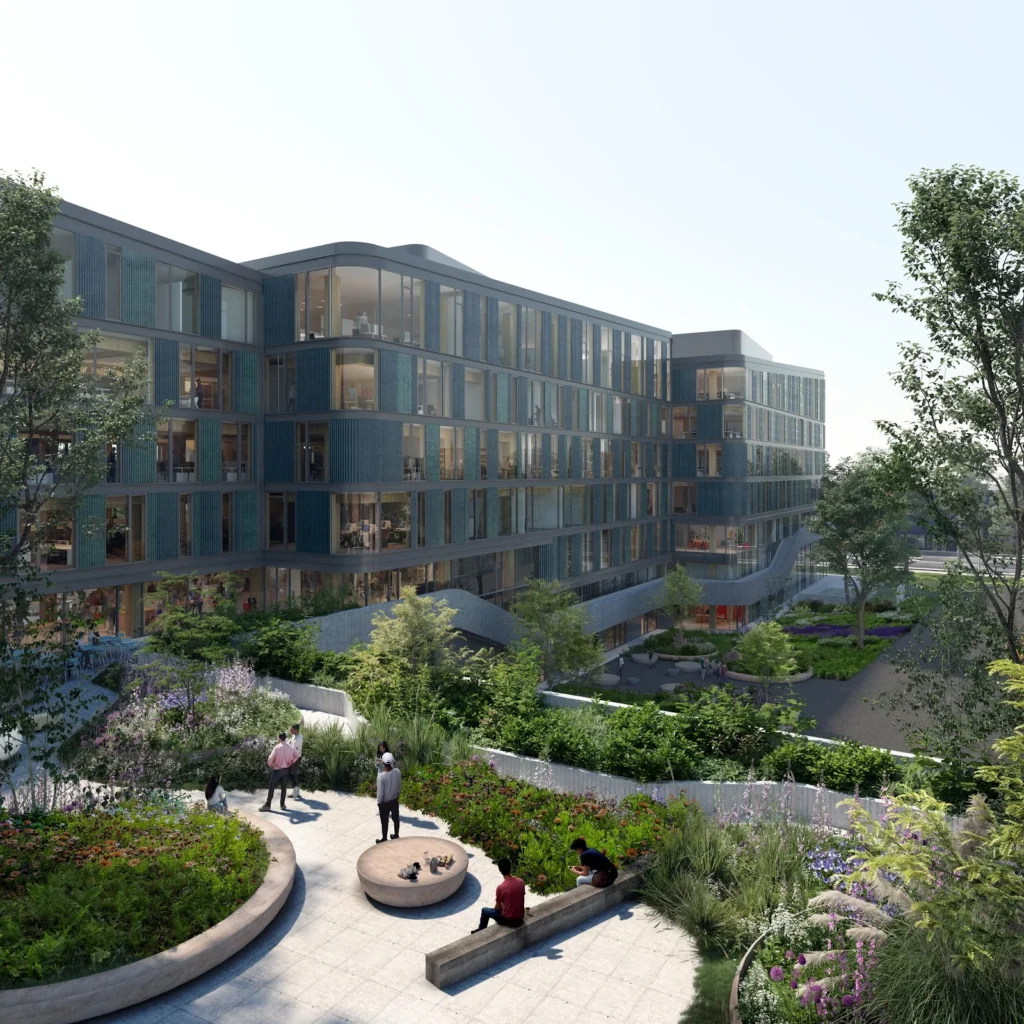
This article breaks down the two strategies, compares their performance in emerging hotspots, and outlines which category of investor benefits most from each approach.
Understanding the Two Strategies
1. Land Banking
Land banking involves acquiring undeveloped land in high-growth corridors and holding it for several years for value appreciation.
This strategy thrives where:
- Urban expansion is predictable
- Infrastructure is planned or ongoing
- Land supply is shrinking due to population growth
- Government is actively rezoning or reforming land administration
In Ghana, examples include parts of Prampram, Dawhenya, Ayi Mensah–Aburi corridor, Apollonia, Oyarifa, Kasoa–Bawjiase stretch, and emerging industrial belts.
2. Property Development
This is the process of acquiring land, designing, financing, constructing, and selling/operating residential, commercial, or mixed-use assets. Development offers higher returns than land banking—but with significantly higher risk.
This strategy thrives where:
- Demand is strong and immediate
- Buyers have access to mortgage or flexible financing
- Infrastructure is already developed
- Skilled labour and materials are accessible
- Regulatory systems are efficient
Which Strategy Performs Better in Emerging Markets?
Both strategies work, but performance varies based on certain market indicators:
1. Market Stability
Land Banking Performs Best When:
- Inflation is high
- Construction materials are volatile
- Currency depreciation erodes development margins
- Interest rates increase project finance costs
- Regulatory uncertainty delays permits
Investors hold the land, allow value to grow with inflation, and sell later to developers who need to build.
Property Development Performs Best When:
- Interest rates fall
- Buyer confidence is strong
- Government offers incentives (tax breaks, infrastructure spending, reduced development approvals time)
- Mortgage systems improve
2. Infrastructure Rollout
Infrastructure is the heartbeat of value creation.
- When new roads, rail, water, or electricity projects are announced, land banking becomes a goldmine.
- When infrastructure is already in place, property development yields optimal returns.
In Ghana, the growth of the Tema–Shai Hills–Afienya industrial corridor is a classic case—land values skyrocketed before developers moved in.
3. Time Horizon and Capital Availability
Land Banking
- Low entry cost
- Low maintenance
- Medium to long-term horizon
- Suitable for salary earners, diaspora investors, and SMEs
Property Development
- High entry cost (land + design + permits + construction + marketing)
- Operational risk
- Requires strong cash flow
- Suitable for seasoned developers, private equity funds, and institutional investors
4. Wealth Accumulation vs. Cash Flow
Land Banking = Capital Gains
Ideal when the investor wants long-term wealth preservation.
Property Development = Cash Flow + Profits
Ideal when the investor wants active income from rentals or sales.
5. Risk Profile
| Risk Type | Land Banking | Property Development | |
| 1. | Regulatory Risk | Low | High |
| 2. | Construction Risk | None | High |
| 3. | Market Demand Risk | Low | Medium–High |
| 4. | Capital Risk | Low | High |
| 5. | Time Delays | Low | High |
| 6. | Profit Potential | Moderate | Very High |
Which Strategy Works Best in Emerging Hotspots?
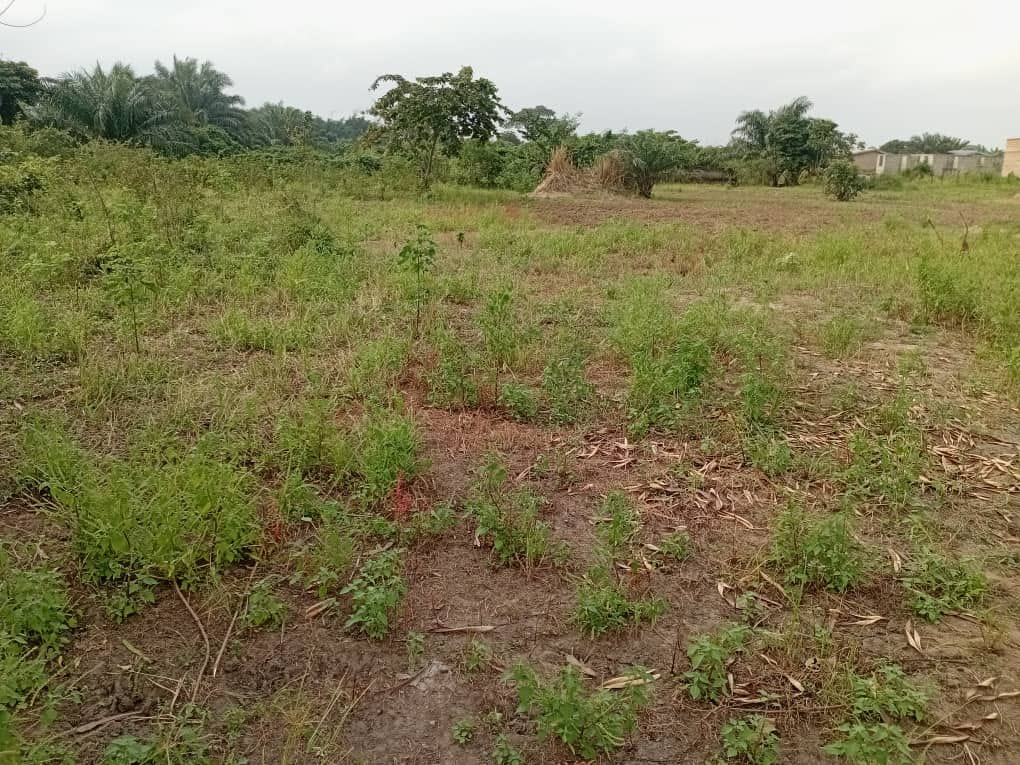
In High-Growth, Early-Stage Hotspots → Land Banking Wins
Emerging zones with early infrastructure plans, low density, and rising commercial interest favour land banking. Examples in Ghana include:
- Coastal areas beyond Prampram
- Nsawam–Adeiso belt
- Greater Kumasi expansion zones
- Mpakadan–Akosombo corridor
In Mature Hotspots → Property Development Wins
Once the area is serviced—roads, schools, hospitals, markets, and water—development becomes lucrative.
Examples in Accra, Ghana’s capital:
- East Legon Hills
- Oyarifa
- Spintex–Baatsona
- Pokuase and its surroundings
- Airport Hills (high-end development)
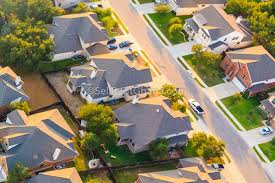
Hybrid Strategy: The Winning Model for Smart Investors
Many sophisticated investors combine both strategies:
- Buy large parcels of land early
- Sell 30–40% later at higher value to fund development
- Develop residential or mixed-use units on the remaining land
This reduces capital pressure and maximizes long-term returns.
What Sector Players Must Do Now
For Developers
- Partner with landowners rather than buying everything upfront
- Focus on energy-efficient, climate-resilient buildings
- Embrace AI and digital tools for cost estimation, design, and project management
- Build affordably but with quality, as the middle market grows fastest
- Explore rent-to-own and flexible payment structures
For Landowners
- Secure titles and properly demarcate land
- Enter joint ventures to unlock value
- Move from emotional pricing to market-driven pricing
- Hold key parcels as urbanization accelerates
For Government
- Accelerate land digitization and eliminate multiple sales
- Provide incentives for green and affordable housing developers
- Build enabling infrastructure (roads, drainage, utilities) in peri-urban corridors
- Reduce approval timelines to attract investors
- Encourage public–private partnerships (PPPs)
Conclusion
In emerging real estate hotspots, both land banking and property development are viable, but timing is everything.
Investors who understand urban growth patterns, policy direction, and infrastructure sequencing will always outperform the market.
Land banking lays the foundation for long-term wealth, whilst Property development transforms that wealth into sustainable cash flow.

References
- African Development Bank. (2023). African economic outlook 2023: Mobilizing private sector financing for climate and green growth in Africa. African Development Bank Group.
- Cohen, B., & Brown, M. (2020). Urban growth in emerging markets: Land dynamics, infrastructure, and investment strategies. Journal of Real Estate Research, 42(3), 275–298.
- Deloitte. (2022). Real estate trends in Africa: Navigating opportunities in emerging markets. Deloitte Insights.
- Ghana Investment Promotion Centre. (2023). Real estate sector profile and investment opportunities. GIPC.
- Ghana Statistical Service. (2022). Urbanization and housing characteristics in Ghana. Accra: GSS.
- Jones, C., & Watkins, C. (2019). Urban land and property markets in Africa. Routledge.
- Kusi-Ampofo, S., & Boachie, C. (2021). Drivers of land value appreciation in peri-urban Ghana. Land Use Policy, 109, 105–117. https://doi.org/10.1016/j.landusepol.2021.105617
- Olanrewaju, A., & Abdul-Aziz, A. R. (2021). Sustainable property development in African cities. Journal of Property Management, 39(2), 145–162.
- PwC. (2023). Emerging real estate markets in Africa: Investment risk and opportunity outlook. PricewaterhouseCoopers.
- United Nations Human Settlements Programme. (2021). The state of African cities 2021: Managing urban expansion. UN-Habitat.
- World Bank. (2022). Housing, land, and urban development in sub-Saharan Africa. World Bank Group.