


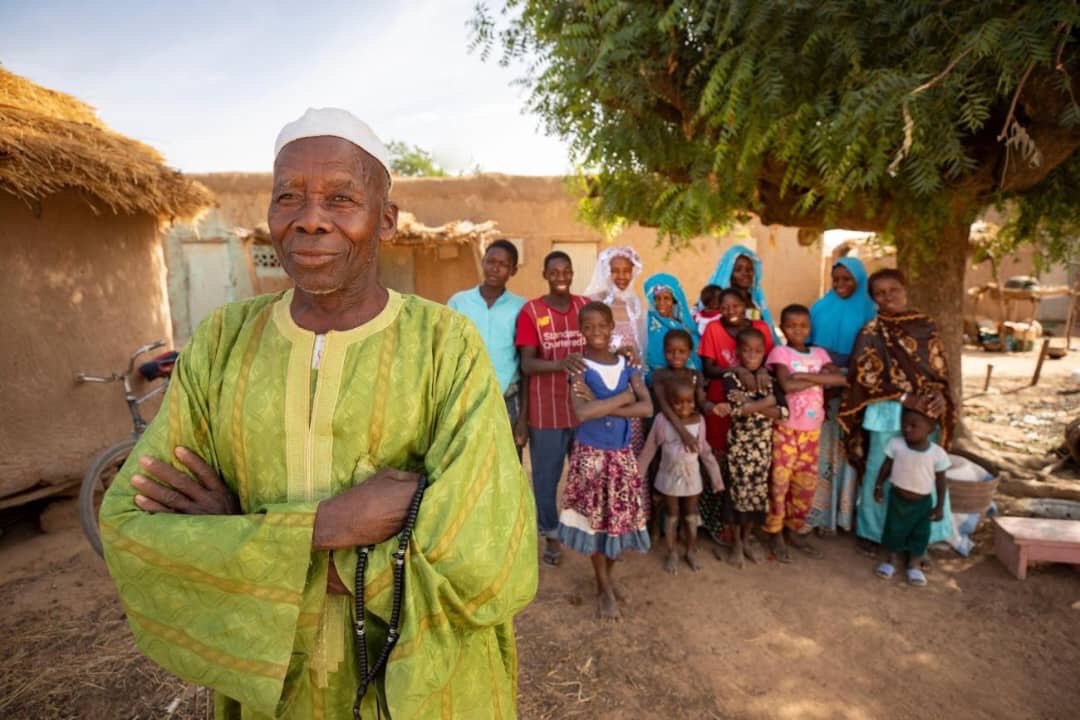
Across Africa, polygamy has been part of social life for centuries, shaping family structures, inheritance systems and community relationships.
In many societies, a man having more than one wife has traditionally been associated with wealth, status and the ability to support a large family. But as African societies change, a debate continues: does polygamy remain a valuable cultural institution, or can it contribute to inequality and social tensions. The answer is complex.
A Tradition Rooted in History
Supporters of polygamy argue that the practice has played an important role in many African communities.
Historically, large families provided economic strength, especially in farming societies where more hands meant greater productivity. Multiple wives and children could help manage farms, businesses and household responsibilities.
In some communities, polygamous marriages also helped strengthen ties between families and clans. Marriages were often used to build alliances, settle relationships and create wider support networks.
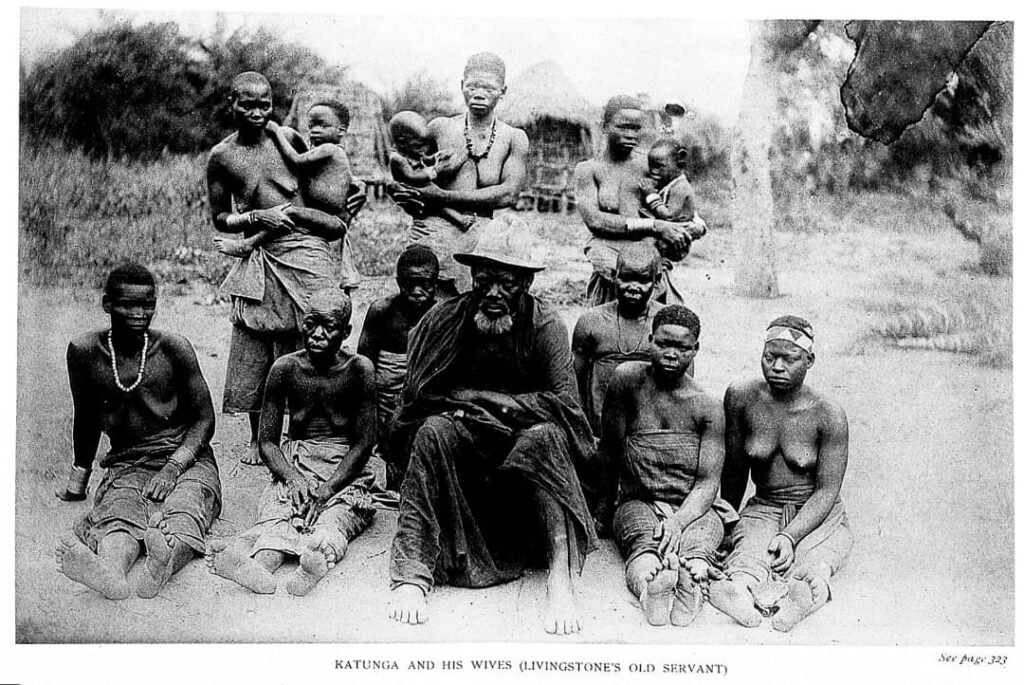
Supporters also argue that in societies affected by conflict, migration or high male mortality, polygamy helped ensure that women and children had family protection and economic support.
For some women, particularly in traditional settings, a polygamous household can offer companionship, shared responsibilities and a larger family network, and especially when all members are treated fairly.
The Concerns Over Inequality
Critics, however, say polygamy can reinforce social and economic inequalities.
In many African communities where polygyny is practiced, it is often wealthy and influential men who can afford multiple wives. This can reduce marriage opportunities for poorer young men, creating frustration among those who struggle to start families.
Some researchers argue that large groups of unmarried and economically frustrated young men can become more vulnerable to crime, political violence or recruitment by armed groups.
Critics also point to concerns about women’s rights. They argue that in some cases, polygamous marriages can leave women competing for a husband’s attention and resources, while giving men greater control over family decisions. Children may also face challenges when a father’s time and financial support are divided among several households.
The Role of Bride Price
In parts of the continent, the debate is also linked to bride price; a traditional marriage practice where the groom or his family provides gifts or payments to the bride’s family.
Supporters say bride price recognizes the value of women and strengthens family bonds. But critics argue that when the cost becomes too high, it can delay marriage for young men, increase pressure on families and sometimes contribute to early marriages for girls.
In extreme cases, economic struggles linked to marriage expectations have been associated with practices such as cattle theft or recruitment into armed groups promising money, status or access to marriage.
Does Polygamy Fuel Conflict?
Some analysts have pointed to a pattern: many fragile and conflict-affected African countries have traditions of polygyny.
But experts caution against drawing a simple conclusion. Polygamy alone does not create instability. Many peaceful African societies practice or have practiced polygamy, while many unstable countries follow monogamous marriage systems.
Conflicts across Africa are usually driven by deeper challenges, including poverty, unemployment, corruption, weak governance, ethnic tensions and competition over land and natural resources.
The Debate Continues
For supporters, polygamy remains an important cultural tradition that can strengthen families and communities when practiced responsibly.
For critics, it can deepen inequality when combined with poverty and unequal access to opportunities.
The bigger question may not be whether polygamy exists, but how societies ensure that marriage systems protect dignity, fairness and the rights of all; men, women and children.
In Africa’s rapidly changing societies, the debate over polygamy reflects a broader conversation about tradition, equality and the future of family life.
By: Ntaryike Divine Jr