





Ghana has developed a yuan-based system to pay for eligible Chinese imports using Ghanaian cedis, bypassing the U.S. dollar.
The Governor of Ghana’s Central Bank (Bank of Ghana), Dr. Johnson Pandit Asiama unveiled the new payment system at a recent press briefing in Accra very recently, saying it is already up and running.

Officials say Stanbic Bank Ghana is piloting a cedi-to-yuan payment system whilst Ghana Commercial Bank is reportedly developing a similar service.
China’s Cross-Border Interbank Payment System (CIPS) is processing the payments.

According to Business Insider Africa, it enables “direct yuan payments from cedi accounts.”
As stated by the Governor “As we speak, if you want to buy anything from China, just go to Stanbic Bank with your cedis. You are able to do that.”
China accounted for about 22 percent of Ghanaian imports in 2024.
Dr. Asiama said the Bank of Ghana wants to facilitate payments between Ghanaian importers and Chinese suppliers without requiring local businesses to source dollars first.
Stanbic Bank Ghana’s CEO, Mr. Kwamina Asomaning said CIPS provides a “more direct payment route to Chinese counterparties.” In his words, “With CIPS, businesses can access a more direct payment route to Chinese counterparties, reducing the need for U.S. correspondent or intermediary banks.”
As Business Insider Africa describes the system, “Businesses can initiate eligible yuan payments from their Ghana cedi accounts, meaning they do not necessarily need to maintain a yuan-denominated account. All that Customers need to do is, select Chinese yuan as the payment currency and submit the required documentation.”
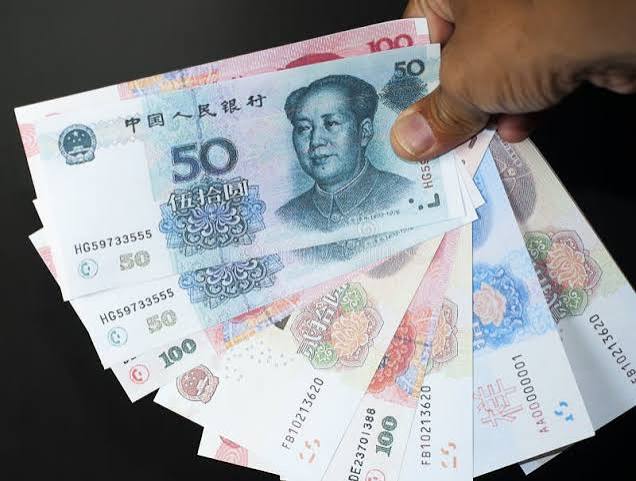
Ghana’s Central bank officials emphasize the new payment mechanism will not replace the dollar-based SWIFT system. However, it does open a yuan-based alternative. SWIFT will continue to facilitate payments in dollars, euros, and pounds.
Many countries are looking for ways to minimize their dependence on the dollar. U.S. weaponization of the dollar as a foreign policy tool has made them wary of relying solely on greenbacks. They saw how the U.S. and its Western allies locked Russia out of SWIFT after the invasion of Ukraine and took that as a warning.
While the new payment system will only process a small number of transactions and won’t threaten dollar dominance, it reflects accelerating global de-dollarization. And even a modest drop in demand for dollars could become very problematic for the United States.
The United States depends on the global demand to underpin its bloated government. De-dollarization threatens an inflation tsunami as those unwanted dollars will have to make their way back to the U.S.
The dollar’s role as the world’s reserve currency is the only reason the U.S. can borrow, spend, and run massive budget deficits to the extent it does. It creates a built-in global demand for dollars and dollar-denominated assets. This absorbs the Federal Reserve’s money creation and helps maintain dollar strength despite the Federal Reserve’s inflationary policies.
Economists have indicated that a de-dollarization of the world economy is likely to cause a dollar glut. The U.S. currency could further depreciate. At the extreme, global de-dollarization could spark a currency crisis. You and I would feel the impact through higher price inflation, eating away at the dollar’s purchasing power. In the worst-case scenario, it could lead to hyperinflation.
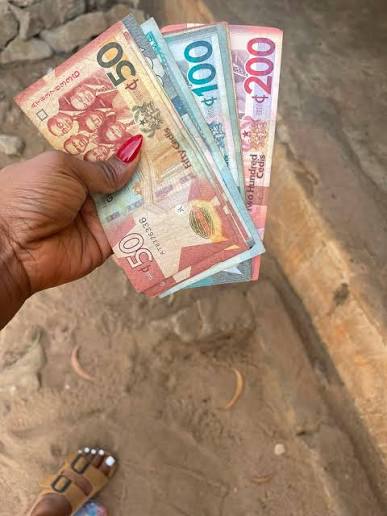
Some Implications / Benefits of this:
- Lower Transaction Costs: Eliminates double currency conversions (converting cedis to US dollars, then dollars to yuan) and removes intermediary U.S. correspondent banks, reducing total transaction and conversion fees.
- Faster Settlement Times: Transactions clear more directly and rapidly—often moving to next-day delivery—compared to traditional routing through SWIFT and multiple intermediary banks.
- Reduced Pressure on U.S. Dollar Reserves: By bypassing the U.S. dollar for eligible Chinese imports, the demand for physical/electronic greenbacks (A greenback is an informal or slang term for a U.S. dollar bill) within Ghana’s banking sector eases, helping relieve pressure on the country’s foreign exchange reserves.
- Easier Local-Currency Workflow: Importers will be able to initiate payments directly from their local cedi-denominated accounts through participating banks like Stanbic Bank Ghana (with Ghana Commercial Bank developing similar services), removing the hurdle of hunting down scarce U.S. dollars.
Some possible Risks and Structural Challenges include:
- Imbalanced Trade Deficit Exposure: Ghana imports significantly more from China than it exports (buying nearly $5 of goods from China for every $1 it exports as of recent data). A smoother, cheaper payment rail could potentially accelerate import volumes further without a parallel boost in local exports to China.
- Underlying Currency Sourcing: Bypassing the dollar payment rail does not completely erase the dollar’s role. Because Ghana’s exports to China remain lower than its import bill, commercial banks may still need to source yuan or balance liquidity through broader currency markets, meaning exchange rate fluctuations between the cedi, dollar, and yuan will continue to impact profit margins
- Competitive Pressure on Local Manufacturers: Cheaper and faster access to Chinese machinery, electronics, and industrial raw materials benefits commercial traders, but it can also intensify competition for domestic Ghanaian manufacturers who struggle to compete with low-cost imports.
Additional Source: Business Insider Africa, FX Watch