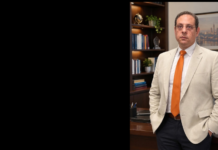





By Dr. Mohamed Rifaie – Founder, NileED / Educational Consultant & International School Director
When most people hear the term Designated Safeguarding Lead (DSL) or look at a school’s safeguarding team, they picture a specific, isolated group: the principal, a few senior leaders, a school counselor, and perhaps a disciplinary officer. On paper, this team exists to execute policy, manage crises, and ensure compliance.
But if we look beneath the surface of true child protection, we find a glaring misconception. Safeguarding is often treated as an administrative checklist managed by a selected few. In reality, a functional safeguarding culture requires looking at the school, not as a hierarchy, but as an ecosystem. To protect the child at the center, we must expand the DSL framework to include the very people who form the perimeter of a student’s daily life: support staff and non-educational faculty.
The Blind Spot: Why Support Staff Form the Real Frontline
A child’s day at school does not begin and end at the classroom door. Long before a student sits down for a Math lesson, they pass through the school gates, greet the security personnel, and interact with administrative staff.
Excluding non-educational staff from the safeguarding loop creates massive blind spots. Consider the unique vantage points these roles hold:
- Security Personnel: They are the literal gatekeepers. They observe the body language of parents during drop-offs and pick-ups. They notice if a child flinches away from a guardian, or if an estranged relative is loitering near the premises.
- Human Resources (HR): HR holds the keys to the school’s internal health. They are the first to notice sudden shifts in staff behavior, high turnover rates, or whispers of workplace toxicity; all of which directly impact student safety.
- Facilities and Cafeteria Staff: Children often let their guard down around non-teaching staff. A student who remains silent in front of a strict teacher might drop a concerning comment to a bus driver or a cafeteria worker who treats them with casual kindness.
When these individuals are excluded from the safeguarding framework, critical pieces of the puzzle go missing. They aren’t just support staff; they are vital sensors in the school’s defense mechanism.
The Well-Being Equation: You Cannot Pour from an Empty Cup
To understand why safeguarding must be holistic, we have to look at the psychological reality of the adults tasked with protecting these children.
Imagine an unsecured family man, crushed by mounting debts, being asked to provide a calm, healthy environment for his family. Or picture a woman experiencing domestic violence at home, expected to seamlessly nurture her own infants. It is an impossible ask. A troubled, unstable adult simply does not have the emotional bandwidth to offer security to a child.
This same logic applies directly to the school ecosystem. We cannot demand a hyper-vigilant, deeply nurturing environment from faculty and staff; who are themselves; operating in survival mode.
Systemic Staff Well-Being ➔ Emotional Bandwidth & Stability ➔ Safe, Nurturing Student Environment
A truly comprehensive safeguarding policy must extend inward. It requires:
- Fair, livable wages that alleviate debilitating financial anxiety.
- The aggressive elimination of workplace bullying and toxic administration practices.
- Psychological peace of mind for all faculty and support staff.
If the school environment is toxic for the adults, it will inevitably become unsafe for the learners. The child is the core of the school, but the adults are the infrastructure supporting that core. If the infrastructure is fracturing under stress, the center cannot hold.
Radical Inclusivity: The Case for Mandatory, Universal Training
If safeguarding is an educational philosophy rather than an administrative burden, then safeguarding training can no longer be an exclusive seminar reserved for senior leadership. It must become compulsory and universal.
True institutional safety means implementing a zero-tolerance policy for training gaps. Before any individual is cleared to work at a school, comprehensive safeguarding training should be mandatory. This rule shouldn’t just apply to those who interact directly with children; it must apply to anyone who interacts with someone who interacts with a child.
If a back-office accountant creates a toxic financial environment that stresses a teacher, that accountant has indirectly compromised the classroom environment. By training every tier of the hierarchy, the school creates a unified vocabulary of care, vigilance, and mutual respect.
A Paradigm Shift in Education
Holistic education is a hollow phrase if it only applies to curriculum design and extracurricular activities. True holistic education recognizes that a child’s psychological development is shaped by the entire climate of the institution.
The Designated Safeguarding Leadership Team should not be a closed committee meeting behind locked doors; it should be the steering committee for a culture that encompasses everyone from the custodian to the superintendent. By prioritizing the psychological health of the entire ecosystem and training every adult within it, we stop merely managing safety risks; we build an environment where danger simply has no place to hide.
About the Author

The Author, Dr. Mohamed Rifaie is a renowned Educational Consultant with proven experience in revolutionizing learning and Education across the African Continent and Globally.
Dr. Rifaie is also the Founder of NileED. He brings to bear decades of experience in Educational Leadership, Curriculum Development and cross-functional Team leadership.
Dr. Mohamed Rifaie’s core mission is to empower educators and stakeholders to collaboratively shape transformative educational practices.
Stay tuned for more insightful articles from one of Africa’s astute experts in Educational Leadership.