




By Ntaryike Divine Jr (The African Digest, Cameroon)
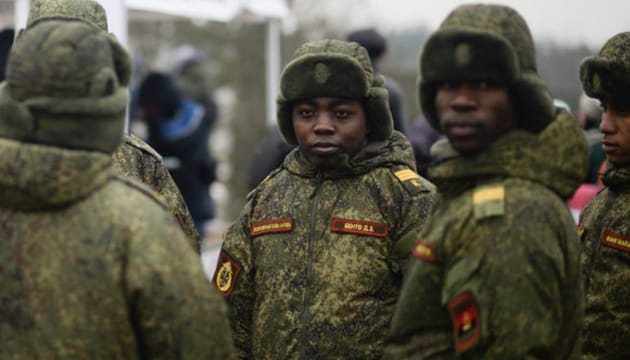
Despite previous and repeated warnings, thousands of African youths continue to be drawn into covert recruitment traps feeding Russia’s war in Ukraine, according to a recent report by the Africa Center for Strategic Studies. The report warns that what is unfolding is not a series of isolated scams, but a systematic and expanding transnational network stretching across the African continent and feeding directly into Russia’s war effort in Ukraine.
According to the Africa Center for Strategic Studies, young Africans are being targeted through deceptive online recruitment channels that promise high-paying jobs, education opportunities, sports placements, and legal migration pathways. Instead, many are later pressured into signing Russian-language military contracts or diverted into hazardous war-linked industries upon arrival in Russia.
Behind these statistics are individual tragedies. In Cameroon’s West Region, a family is mourning the loss of their 27-year-old son, Ngangte Aubain, who left for Russia in 2024 in search of work. Relatives say they were later informed he had been killed in late June, turning what began as a pursuit of opportunity into a devastating loss far from home.
Once inside Russia, recruits are reportedly pressured into signing documents they often cannot read, or pushed into military roles and dangerous production sites linked to the war effort, including drone manufacturing facilities where working conditions are described as hazardous. Kenya’s Majority Leader, Kimani Ichung’wah, has warned of the human toll of the system, saying some recruits are effectively abandoned to frontline combat. “They are basically just given a gun to go and die,” he said.
Ukrainian officials estimate that nearly 30,000 foreign nationals are currently fighting alongside Russian forces, though the number of Africans caught in the network remains unclear. The Africa Center for Strategic Studies further estimates that Russia has suffered approximately 1.2 million casualties, including hundreds of thousands killed, since the 2022 invasion of Ukraine; figures that underscore the scale of the war driving its recruitment needs.
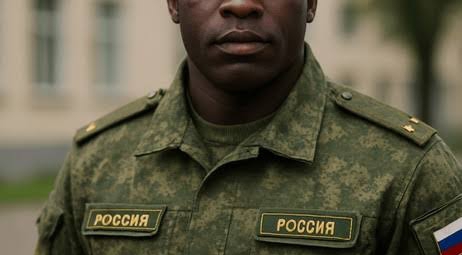
The report notes that the scheme reflects Moscow’s urgent manpower demands amid sustained battlefield losses, with Russia believed to require tens of thousands of new recruits each month while avoiding politically sensitive mass mobilization at home. What began as scattered reports of deceptive job offers has hardened into what investigators describe as a coordinated transnational system involving online recruiters, intermediaries, and alleged state-linked actors, including Russia’s Federal Security Service (FSB), though investigations are ongoing.
Across Africa, concern is mounting. Governments and families of missing recruits are calling for urgent investigations, stronger protections for migrant workers, and international accountability for what is increasingly described as a lethal system of exploitation.