


By Tonny Nyandoro (The African Digest News, Zimbabwe)
Campaign activities have intensified across Zambia as candidates vying for various elective positions gear up for the country’s general elections scheduled for August 13, 2026.
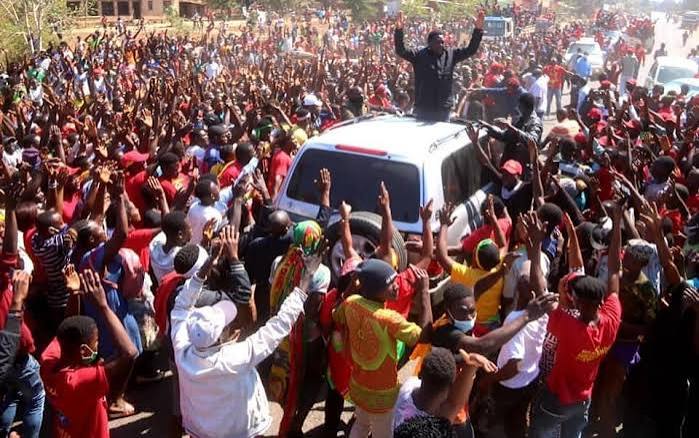
The Electoral Commission of Zambia (ECZ) recently launched the official campaign timetable for the presidential, parliamentary, mayoral, council chairperson and councillor elections.
Speaking during a meeting with presidential candidates on the Presidential Campaign Timetable, Electoral Commission of Zambia Chairperson Mrs Mwangala Zaloumis said the schedule was designed to minimise the overlap of campaign activities in districts and provinces across the country.
“The advisory was prompted by growing concern over the increasing overlap of campaign activities in various districts and provinces, the resulting operational challenges, and the risk that such developments could undermine the orderly conduct of campaigns and potentially create unnecessary tension among political stakeholders,” Mrs Zaloumis said.
A total of 14 presidential candidates have successfully filed their nomination papers with the electoral body. Among the contenders is incumbent President Hakainde Hichilema, who is seeking a second term under the banner of the United Party for National Development (UPND).
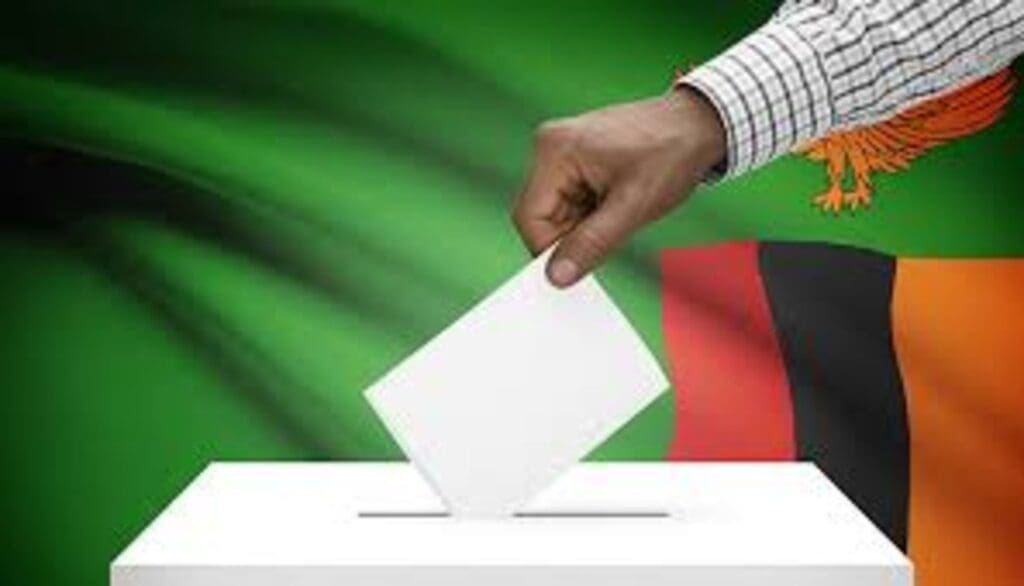
According to figures released by the Electoral Commission of Zambia, 8 786 300 people have registered to vote in the August polls.
The ECZ has also engaged stakeholders on the Electoral Process (Amendment) Act No. 12 of 2026 to sensitise them on the key provisions of the newly enacted legislation.
Meanwhile, the Southern African Development Community (SADC) Electoral Advisory Council has conducted pre-election consultations with key stakeholders as part of efforts to support a credible and peaceful electoral process.
The Electoral Commission of Zambia has announced that the printing of ballot papers will commence on June 30, 2026, marking another key milestone in Zambia’s preparations for the general elections.
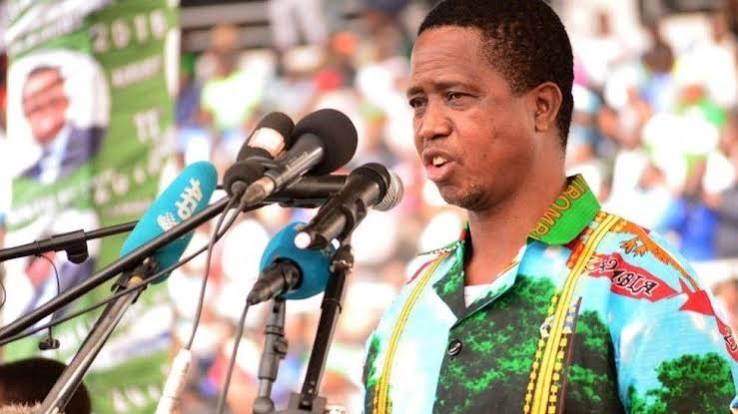
Zambia stands out as one of Africa’s most stable democracies and is among the few countries on the continent to have witnessed peaceful transfers of power between several political parties since the reintroduction of multiparty democracy in 1991.
The country has repeatedly demonstrated its commitment to constitutionalism and democratic governance, with power changing hands through the ballot box rather than through conflict. These smooth political transitions have strengthened Zambia’s reputation as a beacon of democracy in Southern Africa, highlighting the maturity of its electoral institutions, the resilience of its democratic traditions and the willingness of political leaders and citizens alike to respect the will of the electorate.
By Tonny Nyandoro (The African Digest News, Zimbabwe)