
By Adamu Aliyu Ngulde (The African Digest News, Nigeria)
Women freed from insurgent camps in northeast Nigeria recount hunger, forced marches, family separation and the lingering trauma of relatives who remain missing
GWOZA, Nigeria — When gunfire shattered the silence in Ngoshe before dawn on March 4, 2026, Mariya Isa grabbed her six-year-old son and ran. Within minutes, armed Boko Haram fighters had surrounded the border community, forcing hundreds of residents from their homes and toward the rocky Mandara Mountains along Nigeria’s border with Cameroon.
For the next 90 days, the 35-year-old mother lived under armed guard, surviving on scarce food while wondering whether she or her child would ever return home. “We did not know where they were taking us,” she said. “We walked for hours in the bush, surrounded by armed men. Anyone who slowed down was shouted at or threatened. We were exhausted and terrified.”
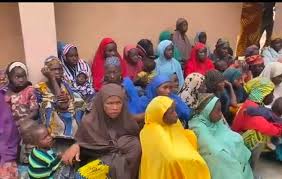
Mariya was among more than 400 residents abducted during the raid, according to survivors interviewed in Gwoza. They said the attackers overran a nearby military position before moving into the town and retreating into the mountains with civilians, disappearing into one of the most inaccessible areas in the Lake Chad region.
Three months later, some of those abducted have returned, carrying memories that offer a rare glimpse into life inside Boko Haram-controlled enclaves. Hidden among rocky hills and dense vegetation, the camps operated with strict routines where captives survived through obedience, silence and endurance.
“What surprised us was how they operated without fear,” Mariya said. “They moved around openly. It felt like there was no government anywhere near us.”
Hunger quickly became a daily reality. Mariya said her young son survived for days on water and a few biscuits while adults searched desperately for anything to eat. “My child spent four days without proper food,” she said. “He cried every day from hunger. As a mother, that pain is something I cannot explain.”
The physical hardship was matched by constant psychological pressure. Mariya said captors repeatedly warned that if ransom demands were not met, the women would be sold into servitude. “You are alive, but you are not free,” she said softly. “We lived in fear every single day.”
Returning home has not ended the suffering. Mariya still does not know what happened to her sister, who disappeared during the attack. “Some people say she stayed behind. Others say she escaped during the chaos,” she said. “Until today, I don’t know where she is. Not knowing whether she is alive or dead is something I carry with me every day.”
Other survivors described experiences that illustrate the complex social realities inside insurgent camps. Halima AbdulSalam, 36, said she witnessed an arranged marriage involving a Boko Haram commander known among captives as “Daddy Gumba” and the daughter of a local Islamic cleric.
“The marriage took place in the Mandara Mountains,” Halima said. “We were there. We saw everything. The bride price was paid, and the ceremony was conducted in front of captives.” Her account could not be independently verified, and authorities have not publicly commented on the allegation.
Halima also said some abductees remained in the camps after opportunities to leave emerged. “Many of the captives did not come back because they decided to stay,” she said. “Some women are still there. Some families are still inside.” Researchers say prolonged captivity, fear of stigma, coercion and the formation of family ties can complicate decisions about returning home.
For Fatima Suleiman, 40, the conflict has divided her own family. While she eventually regained her freedom, she said her brother remained in the mountains. “During the three months in captivity, he refused to come back,” she said. “He is still there, and he has started learning how to use weapons.”
“We grew up together. We shared everything,” Fatima added. “Now he is on the other side. It is painful beyond words.”
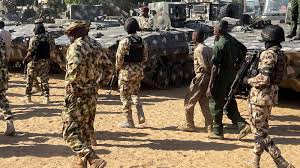
The Nigerian military has said civilians abducted during the Ngoshe attack were rescued during follow-up operations in the Mandara Mountains and that clearance operations against insurgent hideouts continue. Authorities have not publicly responded to specific allegations raised by survivors concerning marriages, child recruitment or individuals who remained in the camps.
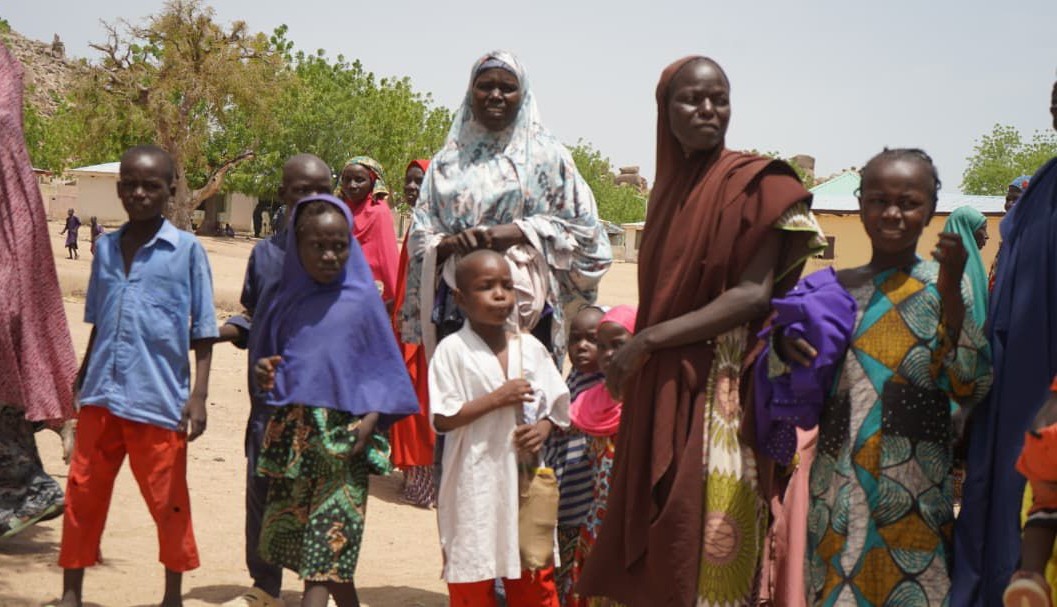
In recent weeks, Borno State Governor Babagana Umara Zulum visited Gwoza to receive women and children who returned from captivity, pledging continued support for rehabilitation and reconstruction. Markets have reopened and some children have returned to school, but survivors say recovery extends far beyond rebuilding homes.
“We thank God we are alive,” Mariya said, looking toward the mountains where many families believe loved ones remain. “But many people are still missing. Some questions have no answers. Nobody should go through what we went through. We lived in fear, hunger and uncertainty every day. Now we just want peace and a chance to rebuild our lives.”
Story By Adamu Aliyu Ngulde (The African Digest News, Nigeria)