



By Ntaryike Divine Jr.
More than 125,000 Nigerians fleeing violence are now living in Cameroon as insecurity in northern Nigeria continues to force families across borders in search of safety.
New figures from the United Nations refugee agency (UNHCR) show that at least 8,521 Nigerians sought refuge in Cameroon, Niger and Chad between December 2025 and May 2026. The data places the total number of registered Nigerian refugees in the three countries at 416,184.
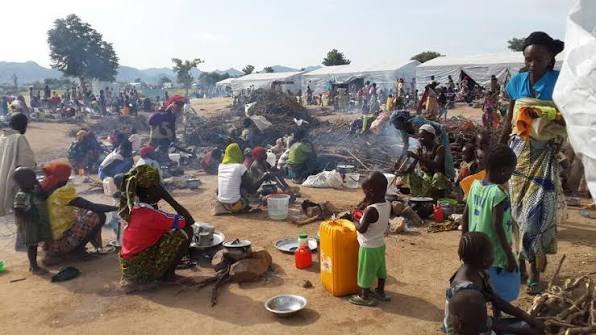
Cameroon hosts 125,192 of them, mainly in the Far North Region and around the Minawao refugee camp, one of Central Africa’s largest refugee settlements. Most fled Nigeria’s northeastern states of Borno, Yobe and Adamawa, where Boko Haram and the Islamic State West Africa Province (ISWAP) have waged a deadly insurgency for more than a decade.
While Niger hosts the largest refugee population, with nearly 269,000 Nigerians, and Chad shelters more than 22,000, Cameroon continues to shoulder a significant share of the humanitarian burden.
The figures expose the growing human cost of a conflict that continues to push desperate families from their homes. Behind every statistic is a family forced to abandon its livelihood, community and future in pursuit of safety.
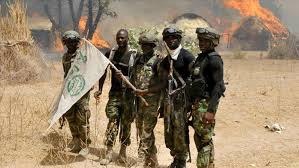
Meantime, the latest influx reflects worsening insecurity in northern Nigeria despite ongoing military operations. According to the report, more than 2,200 people were killed by insurgents and armed groups during the first half of 2025 alone, exceeding the total recorded for all of 2024. Over the past two years, attacks across several Nigerian states have reportedly claimed more than 10,000 lives.
The crisis is also fuelling hunger and hardship. In Niger’s Diffa Region, where many refugees have settled, aid agencies report severe shortages of food and clean water, leaving thousands dependent on humanitarian assistance.
For Cameroon, the continued arrival of refugees presents a growing challenge. The Far North Region has itself faced cross-border extremist attacks and remains one of the country’s most vulnerable areas. The influx is placing additional pressure on local communities and already stretched humanitarian services.
Despite efforts by Nigerian authorities to encourage refugees to return home, many remain reluctant.
The UNHCR says more than 37,000 Nigerians have returned from Cameroon, Chad and Niger since 2019. However, returns remain slow as many refugees continue to fear for their safety.
In December 2025, Borno State Governor Babagana Zulum visited the Minawao refugee camp and offered 500,000 naira to each household willing to return. The initiative yielded limited results, while a separate UNHCR survey found that only about one in three refugees intends to return in the near future.
The findings paint a sobering picture. While Nigerian authorities insist progress is being made against insurgents, many displaced families remain unconvinced that it is safe to go back home.