




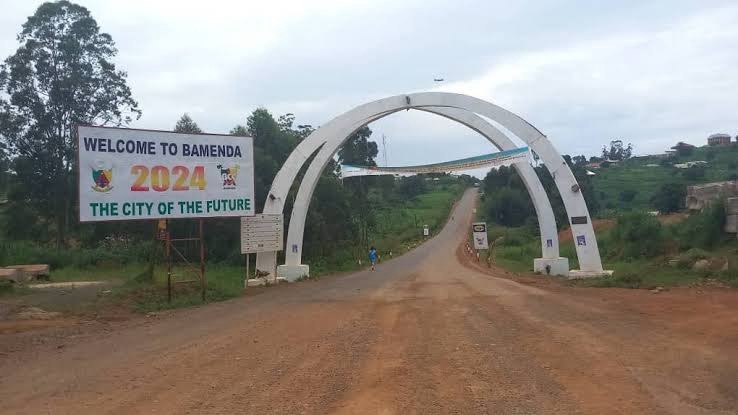
Twelve people have been abducted in Cameroon’s Northwest Region after gunmen believed to be
separatist fighters ambushed a passenger bus bound for the regional capital, Bamenda, security
sources said Tuesday.
The attack occurred early Tuesday along the Ndop-Bamenda highway when armed men
intercepted the vehicle in Sabga, a locality that has become a persistent flashpoint in the
country’s protracted Anglophone conflict.
According to security sources, the assailants rounded up 10 passengers, including the driver,
before whisking them off into a nearby bush. Two bystanders who witnessed the attack were also
seized, bringing the total number of hostages to 12.
Relatives of some of the victims say the abductors have already begun demanding substantial
ransoms for their release, heightening fears over their safety.
The incident triggered panic in nearby communities and disrupted movement along the highway
as security forces launched a search operation to locate the hostages and track down the attackers.
The latest abduction comes against the backdrop of Cameroon’s Anglophone crisis, which
erupted in 2016 after protests by English-speaking lawyers and teachers over perceived
marginalisation in the largely Francophone state. The unrest escalated into an armed separatist
insurgency in 2017, with armed groups seeking to create an independent state they call
“Ambazonia.”
Since then, the conflict has claimed an estimated 6,000 to 10,000 lives, according to various
conflict-monitoring and humanitarian assessments, and forced more than one million people to
flee their homes. Entire villages have been burned, schools repeatedly shut down, and key
infrastructure—including roads, markets, and health facilities—has been severely disrupted
across the Northwest and Southwest regions.
Kidnappings for ransom have become one of the most persistent and lucrative tactics used by
armed groups, alongside sporadic clashes with government forces and enforcement of so-called
“ghost town” lockdowns that frequently paralyse economic activity.
Despite repeated military operations and government assurances of restored stability, major
highways remain vulnerable, with civilians often caught between competing armed actors and
escalating insecurity.
As the search for the abducted passengers continues, families are left in anguish, while the latest
incident underscores the deep and unresolved nature of a conflict whose human and economic
costs continue to mount nearly a decade on.