


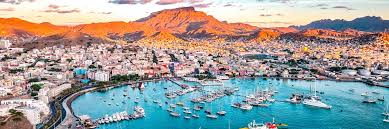
São Vicente (Portuguese for “Saint Vincent”) is one of the Barlavento Islands, the northern group within the Cape Verde archipelago in the Atlantic Ocean, off the West African coast. It is located between the islands of Santo Antão and Santa Luzia, with the Canal de São Vicente separating it from Santo Antão.
São Vicente is a vibrant, arid, and mountainous island in Cape Verde known as the nation’s cultural, musical, and artistic hub. Centered on the lively port city of Mindelo, it boasts a rich cultural scene, famous Carnival celebrations, and excellent windsurfing, especially at Sao Pedro and Baía das Gatas.
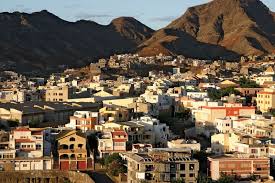
Mindelo is renowned for its nightlife, live music (including morna), and colonial architecture. It was the home of the legendary singer Cesária Évora. Covering 227 km², it is a volcanic, dry island featuring eroded landscapes, with Monte Verde being 750metres as its highest point.
The island has a mild, dry climate. It is ideal for hiking, water sports, and exploring, particularly during the February Carnival. It is accessed via Cesária Évora Airport and is a short boat ride from the neighboring island of Santo Antão.
The population of São Vicente Island is highly concentrated in Mindelo, and the island is known for its “morabeza,” a term representing warm, Cape Verdean hospitality.
About São Vicente, Cape Verde
São Vicente is home to some of Cape Verde’s greatest musicians, writers and thinkers.
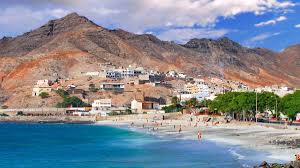
Considered to be the cultural hub of the island, São Vicente’s capital, Mindelo, is proud of its rich tradition of music and art and has a vibrant nightlife, with a lively buzz of music throughout the pubs, restaurants and nightclubs. If you’re looking for culture and a traditional experience then São Vicente will not disappoint.
Mindelo is a vibrant musical town where you can soak up the very best of Cape Verdean culture. By day, head down to Laginha Beach, where there’s a bay of white sand and a great beach bar, Kalimba. By night, with live music taking place most evenings across the variety of bars and restaurants, you won’t struggle to find several places to grab some tasty food and listen to the talented musicians. Casa Café Mindelo is one of our favourites, and be sure to taste the grogue, the local beverage, which comes in a variety of different flavours.
Apart from Laginha Beach in Mindelo, most of the other beaches on São Vicente are a real treat for windsurfers (best conditions Nov-Apr). São Pedro is arguably one of the world’s finest for speed windsurfing. In fact, in 1997 Sandy Beach at Calhau was included in the European professional circuit. Baia das Gatas in the north of the island which can be reached by four-wheel drive is great for swimming because of the natural lagoon. Many visitors to São Vicente choose to visit Santo Antão, the greenest island in the archipelago. An hour-long ferry crossing will take you to this beautiful island with rugged mountains and green valleys, a popular choice for hikers and a recommended highlight of any stay.
There is a golf course on the island of São Vicente, which is a simple dry course therefore not for a serious golfer!
The History of São Vicente
São Vicente was discovered by the Portuguese explorer Diogo Afonso on 22 January 1462 (Saint Vincent’s Day). Due to its lack of water, the island was initially used only as a cattle pasture. When the Municipality of Santo Antão was established in 1732, the island of São Vicente was part of it. At that time, it did not have permanent inhabitants. In 1793 the area of Porto Grande Bay was settled. It was only in 1838, when a coal depot was established at Porto Grande Bay to supply ships on Atlantic routes that the population started to grow rapidly. From the beginning of the 20th century the port of Mindelo lost its importance for transatlantic navigation. Causes for this were the shift from coal to oil as fuel for ships, the rise of competing ports like Dakar and the Canary Islands and the lack of investment in port infrastructure.
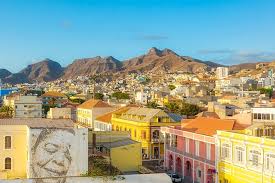
The economy of the Island of São Vicente was always based almost exclusively on commerce and services. Due to lack of rain, agriculture is at a subsistence level. Fishing has some relevance, but conditions prevent it from being more important, not only for the catch—lobster—but also for the associated industries: conserves, drying and salting of fish, and naval construction.
Porto Grande is the main port of Cape Verde, through which passes much of the country’s imports. It has a terminal of containers, silos, and refrigeration units that make handling load overflow possible. There is also a modern seawater desalination plant, which provides water for public consumption and for naval shipyards.
In the industrial sector, the island presents an abundance of manpower, even though unskilled, resulting from the exodus of inhabitants of other islands to São Vicente. About 27% of the employed population is unskilled. Highly qualified employees—company executives, public administrators, and managers and directors—make up less than 2% of employees. It is distinguished, however, by a bigger participation of women in decision-making positions than the national average.
Festivals
São Vicente hosts two of the most lavish festivals:
- The Carnival each February (or 40 days before Easter), on Shrove Tuesday. This is inspired by the festivities and costumes of Rio, Brazil with a Portuguese flavour mixed in. If you want to know more about how you visit this superb event, see our four-night add-on Carnival package.
- The beach music festival during the full moon in August attracts musicians and visitors from all over the archipelago.
Take a day trip to Santo Antão. A ferry departs daily from Mindelo and allows you to spend the day exploring Santo Antão before heading back on the afternoon ferry.
São Vicente is best experienced as part of a multi-centre island hopping holiday, and can be easily reached via a short internal flight, meaning no waste to your valuable holiday time.
Additional Sources: Wikipedia, Cape Verde Experience