





GOLDBOD bans export of unrefined gold doré effective September 1, 2026.
Ghana’s Gold Board (GOLDBOD) has recently directed all Self-Financing Aggregators (SFAs) to refine gold dore locally before they can be exported from Ghana. This directive is expected to take effect from Tuesday September 1, 2026 and applies to all SFAs and Approved Off-Takers operating under arrangements regulated by GOLDBOD.

Under this new directive, no gold dore purchased under an arrangement with an approved Off-Taker will be allowed to leave Ghana in its unrefined state.
“Effective 1st September 2026, every Self-Financing Aggregator shall ensure that all gold dore purchased under any arrangement with an approved Off-Taker is refined in Ghana before export, ”GOLDBOD said in the notice issued yesterday Monday, August 24th 2026.
The New Directive requires that all offtake agreements between SFAs and Approved Off-Takers expressly MUST include the mandatory local refining requirement.
Ghana’s GOLDBOD has expressly stated that requests would not be approved unless the gold has first been refined at a refinery approved or designated by the Gold Board.
The cost of refining is also expected to be sorted by the SFA or its approved Off-Taker, depending on their respective commercial arrangements, and must be paid in full or settled before the refined gold is allowed to be exported out of Ghana.
GOLDBOD has also given SFAs up until Monday, August 31st 2026 to amend all existing offtake agreements to incorporate this new requirement.
For Export approval, GOLDBOD is expected to verify that the gold was refined locally, applicable refining charges fully settled, and all assay, regulatory and export requirements have been fully met before export of the gold is approved.

In their statement “Failure to comply with this directive, including the export of attempted export of unrefined gold contrary to this directive, shall constitute a breach of the conditions of an SFA License.” The Board also cautioned that breaches of this new directive could result in penalties such as; the refusal or suspension of export approvals, suspension or revocation of licenses, administrative sanctions and other enforcement measures permitted under the Ghana Gold Board Act, 2025 (Act 1140) .
The Impacts of This New Directive from Ghana’s GOLDBOD
Ghana is moving to retain more value from its gold industry as the Ghana Gold Board (GOLDBOD) orders Self-Financing Aggregators (SFAs) to refine all gold doré locally before it can be exported.
The directive, issued by GOLDBOD’s Compliance Directorate on August 24, 2026, takes effect on September 1 and applies to gold purchased by SFAs under arrangements with approved Off-Takers.
Under the new rules, no gold doré can be exported from Ghana in its unrefined form. SFAs must ensure that gold is processed at a refinery approved or designated by GOLDBOD before seeking export approval. The directive is issued under the Ghana Gold Board Act, 2025 (Act 1140), which expanded GOLDBOD’s mandate over the purchase, sale, refining, value addition and export of gold.
This move represents another step in Ghana’s effort to increase local value addition in its gold industry, rather than allowing the country to export gold in a less processed form and capture a smaller share of the value generated further along the supply chain.
Ghana is Africa’s largest gold producer and has been strengthening state oversight of the sector through GOLDBOD, which was established to reorganize the country’s gold trading system and increase the government’s participation in the formal gold market.
The new directive also gives GOLDBOD greater control over where exported gold is refined, as the regulator can determine the refinery to be used and issue additional instructions governing the process.
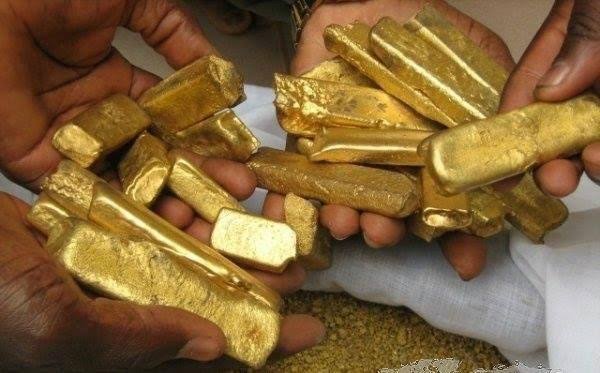
SFAs that breach the directive could face regulatory sanctions because compliance forms part of their licensing conditions.
GOLDBOD said the export or attempted export of unrefined gold could result in refusal or suspension of export approvals, suspension or revocation of licenses, administrative sanctions or other enforcement measures allowed under Ghana’s gold laws.
The directive therefore shifts Ghana’s gold export system further towards domestic processing and value addition, with the new local-refining requirement becoming mandatory for SFAs from September 1.