

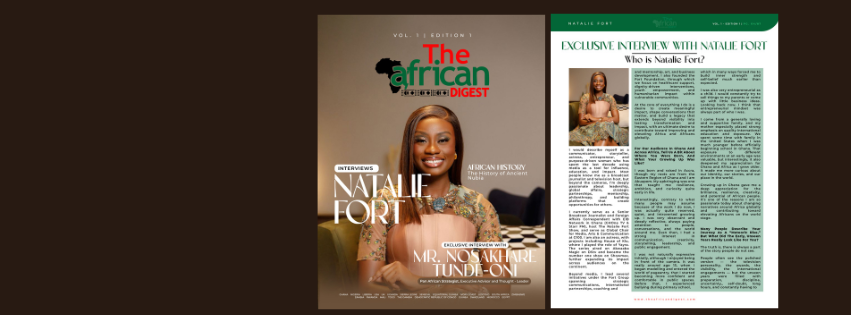
Here are some excerpts…
Who is Natalie Fort?
I would describe myself as a communicator, storyteller, actress, entrepreneur, and purpose-driven woman who has spent the last decade using media as a tool for influence, education, and impact. Most people know me as a broadcast journalist and television host, but beyond the cameras, I’m deeply passionate about leadership, global affairs, strategic partnerships, mentorship, philanthropy, and building platforms that create opportunities for others.
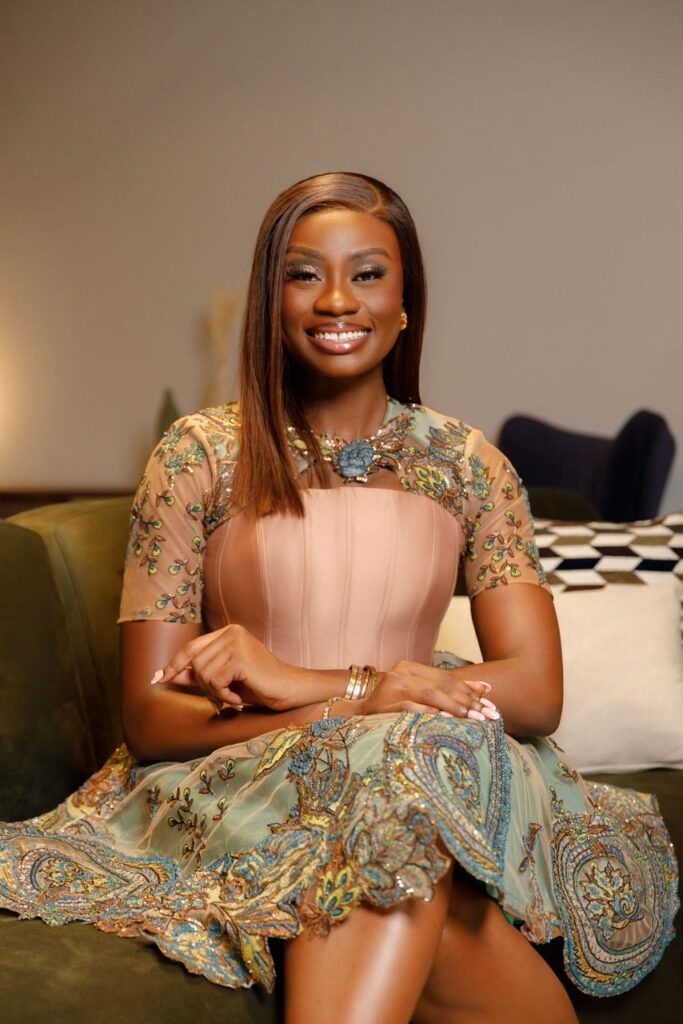
I currently serve as a Senior Broadcast Journalist and Foreign Affairs Correspondent with EIB Network in Ghana (GHOne TV & Starr FM), host The Natalie Fort Show, and serve as Global Chair for Media, Arts & Communication at G100. I am also an actress, with projects including House of Klu, where I played the role of Yayra. The series aired on Akwaaba Magic on DStv and became the number one show on Showmax, further expanding its impact across audiences on the continent.
Beyond media, I lead several initiatives under the Fort Group spanning strategic communications, international partnerships, coaching and mentorship, art, and business development. I also founded the Fort Foundation, through which we focus on healthcare support, dignity-driven interventions, youth empowerment, and humanitarian impact within vulnerable communities.
At the core of everything I do is a desire to create meaningful impact, shape conversations that matter, and build a legacy that extends beyond visibility into lasting transformation and impact, with an ultimate desire to contribute toward improving and elevating Africa and Africans globally.
Breaking into Media: What was the exact turning point that made you choose journalism as a career path?
Interestingly, I often say journalism chose me as much as I chose it.
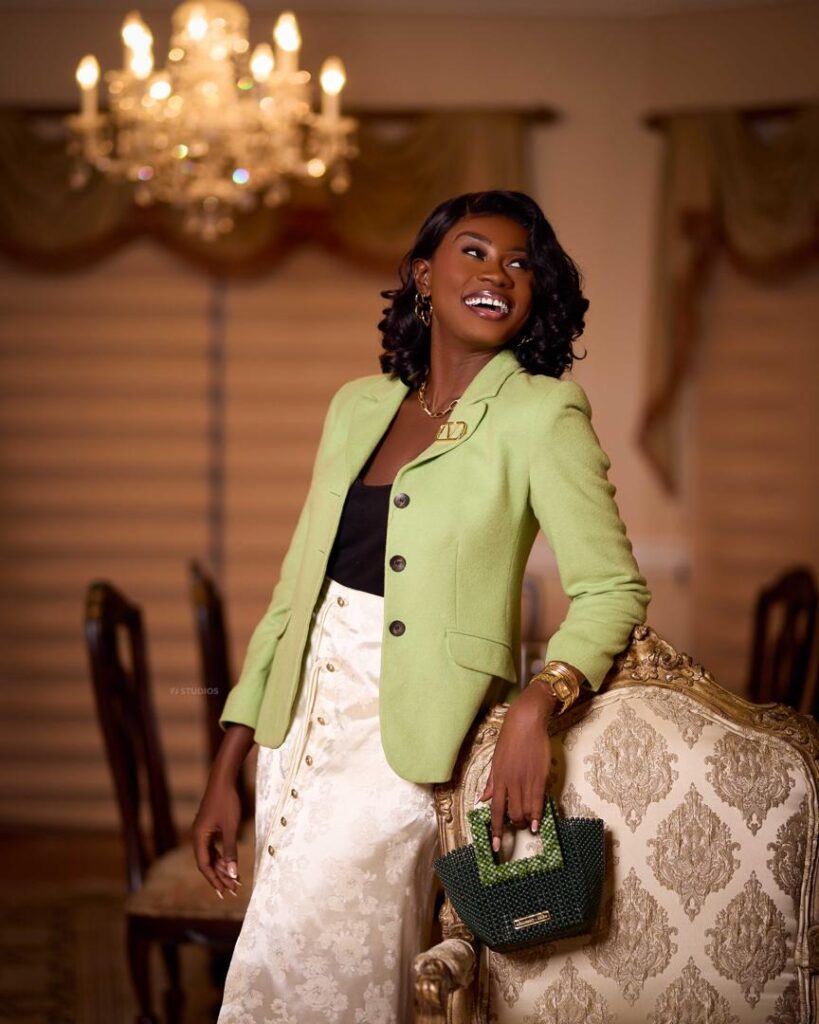
At the time, I was actually preparing to leave Ghana to study hospitality management abroad. But before that, I was asked at the very last minute by Evelyn Akoto to co-host a pageant event because her female host was suddenly unavailable. I ended up co-hosting the event alongside Kweku Temeng, who was then a business anchor at TV3 Network.
After the event, he mentioned that TV3 was looking for news anchors and encouraged me to audition. After discussing it with my family, I decided to try. Over 200 people auditioned, and only two of us were selected. For me, that moment felt deeply significant. I genuinely felt God had a plan for me in that field.
Being placed on one of Ghana’s biggest prime-time news platforms at just 21 changed everything. That was when I realized journalism combined everything I naturally loved — communication, storytelling, analysis, performance, and influence — and that I wanted to intentionally build a career and legacy within it.
More importantly, I realized the power media has to shape public understanding and national conversations. I didn’t just want to entertain people; I wanted to inform, challenge perspectives, and contribute meaningfully to society.
Did you ever feel underestimated because of your age or background? How did you handle that?
Absolutely.
When you’re young, female, visible, and ambitious, people sometimes assume you are less capable than you actually are. I experienced that multiple times throughout my career.
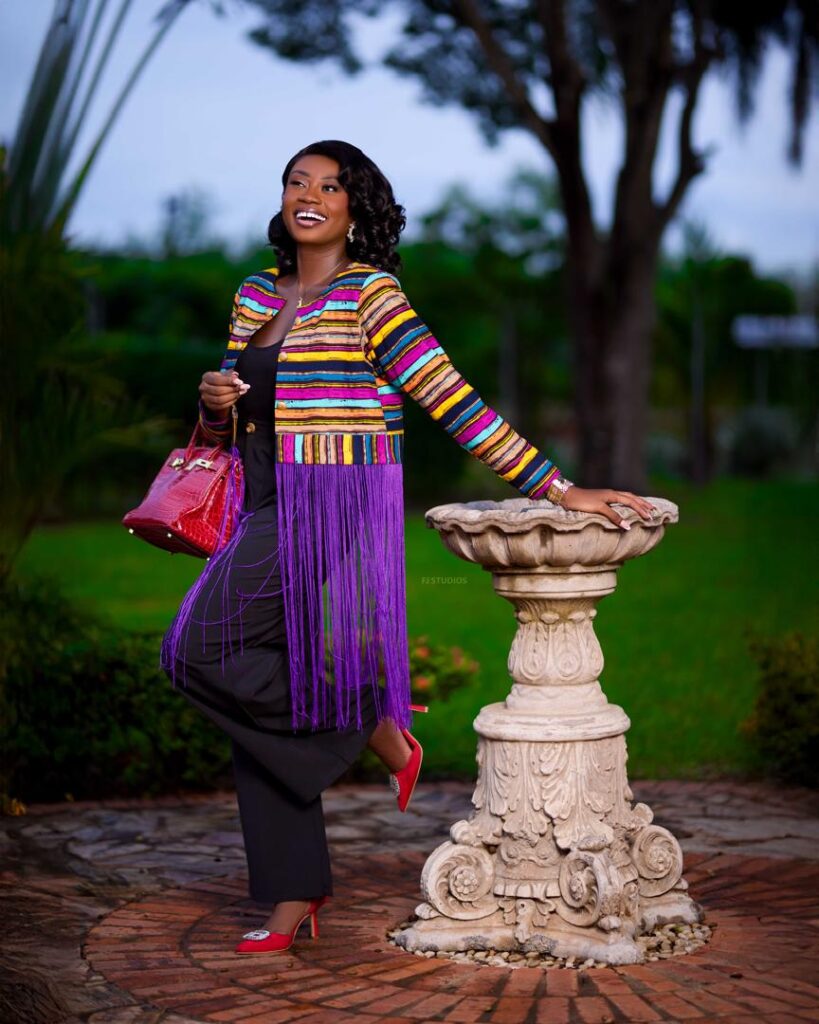
But I learned early that the best response is excellence. I focused on preparation, professionalism, consistency, and growth. Over time, people may question you initially, but sustained excellence eventually speaks louder than assumptions.
“Preparation for me is extremely intentional.”
What sacrifices did you have to make to get to where you are today?
Time, rest, emotional comfort, and sometimes personal balance.
Media is demanding. Leadership is demanding. Public life is demanding. There are many moments people don’t see — exhaustion, pressure, disappointment, uncertainty, and constantly having to show up regardless.
I’ve also had to sacrifice privacy to some degree. Once you become a public figure, people often feel entitled to opinions about your life. But over time, I’ve learned how to better protect my peace while still remaining authentic.
Preparation for me is extremely intentional.
What has been your biggest failure or setback as an entrepreneur, and what did it teach you?
One lesson entrepreneurship taught me is that vision alone is not enough. Structure, systems, timing, and the right people matter greatly.
There were moments where I overextended myself trying to do too much personally. I’ve learned the importance of delegation, operational systems, patience, and protecting your energy as a founder.
Setbacks taught me strategic thinking and emotional resilience.
To Read and follow the complete story, Download your complimentary copy of the Magazine.
Click Below