



By Ntaryike Divine Jr. – Editorial Correspondent, (The African Digest)
In Northern Cameroon, the collapse of education is leaving girls with a devastating choice: stay in school, or become wives.
In Cameroon’s conflict-scarred north, the collapse of education is quietly rewriting the futures of thousands of girls often replacing classrooms with early marriage, exploitation, and abuse.
A 60% funding gap in the education sector has left more than 4,000 schools closed or non-functional in conflict-affected regions, according to the International Rescue Committee (IRC), cutting off access to safe learning for some of the country’s most vulnerable children.
For many girls, the consequences are immediate and irreversible.
Out of school and out of options, they are increasingly pushed into forced marriages, child labour, and cycles of poverty that can last a lifetime. Aid groups warn that what is unfolding is not just an education crisis, but a protection emergency hiding in plain sight.
“Every day a girl is out of school is a day her risks multiply,” said Antoinette Chibi, IRC Country Director for Cameroon and the Central African Republic.
“In these contexts, education is not just learning, it is protection.”
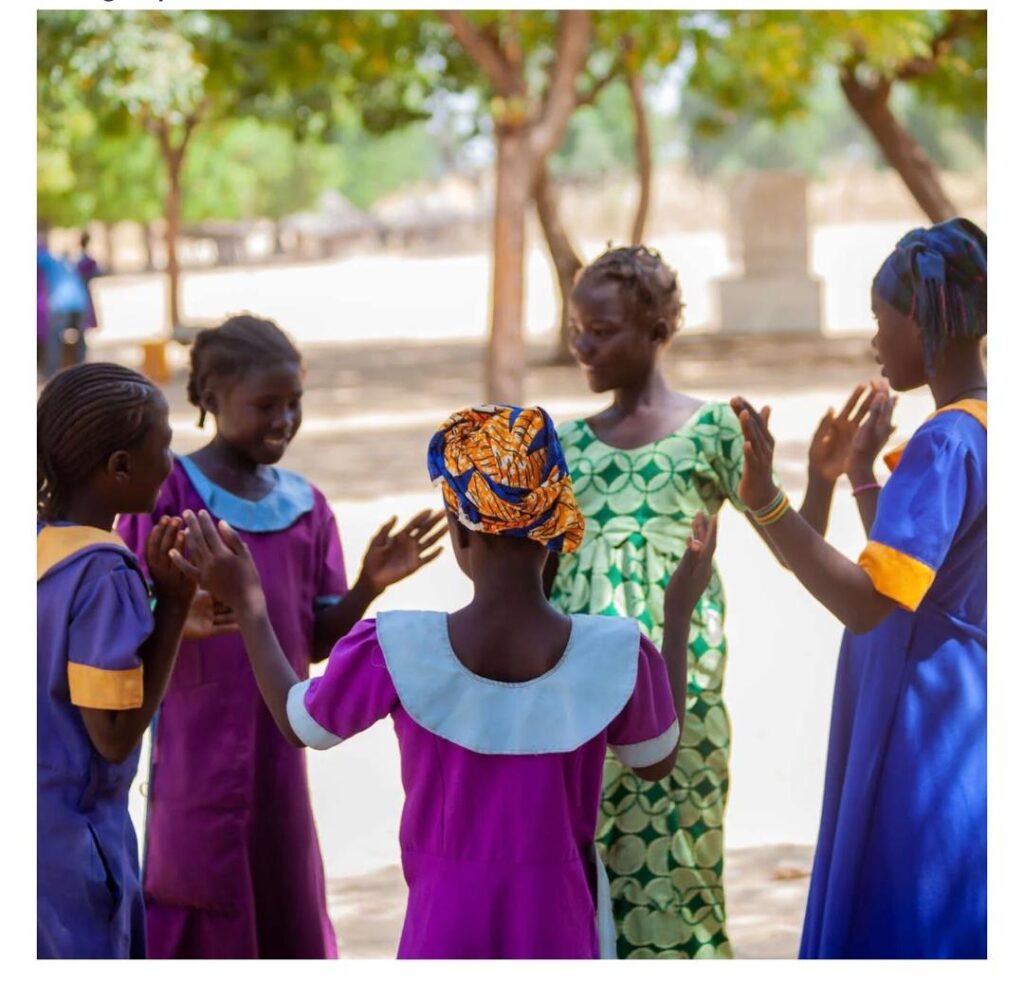
Cameroon’s Far North region, already battered by years of violence linked to extremist groups and chronic insecurity, has seen its fragile education system pushed to the brink. Schools have been shuttered by attacks, displacement, or sheer lack of resources.
Yet the crisis remains largely underreported and critically underfunded.
Humanitarian actors say Cameroon’s emergencies, including those in the Far North and other conflict zones, suffer from chronic global neglect, attracting only a fraction of the funding required to sustain basic services like education.
The result is a widening gap between needs and response; one that is being filled by risk and desperation.
“For a young girl living in a conflict zone, a pen is much more than a writing instrument; it is her bulletproof vest against poverty and forced marriage,” Chibi said.
Despite the grim outlook, some efforts are underway to stem the tide. The IRC has expanded accelerated learning programs, enrolling more than 1,300 girls in both formal and non-formal education systems. The initiative helps children who have lost years of schooling due to conflict to catch up and reintegrate.
But aid workers caution that such interventions, while critical, remain far from sufficient.
Without urgent and sustained investment, a generation of girls risks being permanently locked out of education and pushed instead into early adulthood, economic dependency, and heightened exposure to abuse.
The long-term implications extend beyond individual lives.
Experts warn that failing to educate girls undermines economic growth, fuels instability, and weakens entire communities, particularly in fragile regions like Central Africa.
“Our role today is to remind the world that stability in this region depends on our ability to ensure learning continuity,” Chibi said. “No one must be left behind, especially young girls.”
As funding gaps widen and classrooms remain empty, the stakes are becoming harder to ignore.
In northern Cameroon, the choice facing many girls is no longer simply about education.
It is, increasingly, a choice between a pen and a husband.

Ntaryike Divine Jr. – Editorial Correspondent/Journalist, (The African Digest)